Viral Kashmiri Pink Chai Recipe – Creamy, Floral & Naturally Pink
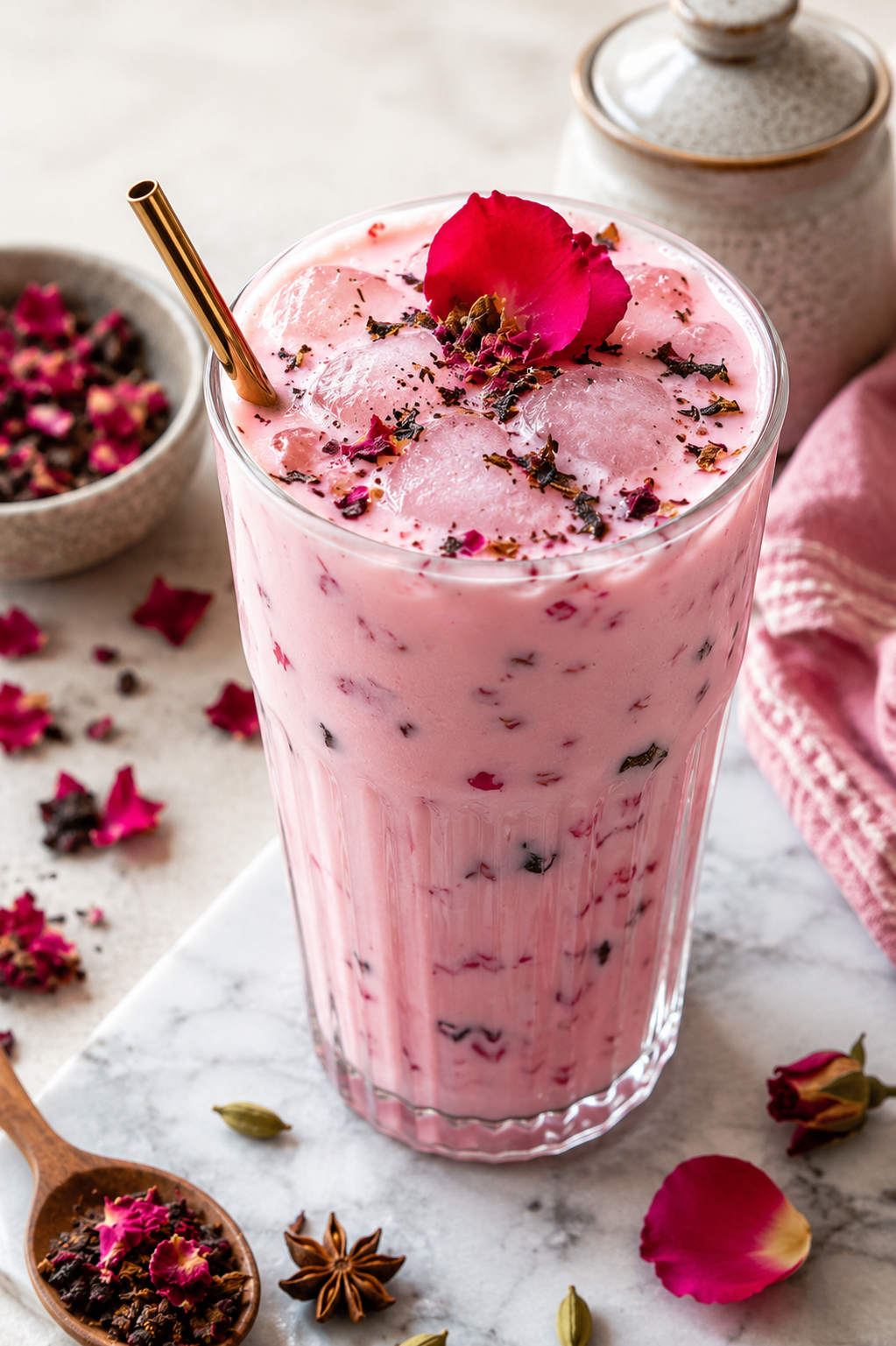
The first time I served this Viral Kashmiri Pink Chai Recipe to guests, nobody believed the beautiful pink color came from tea. Several people assumed food coloring was involved. When they learned the stunning blush hue was created through a traditional brewing technique, the tea became the star of the afternoon.
As a culinary enthusiast who enjoys exploring traditional drinks from around the world, I find Kashmiri Pink Chai fascinating because it transforms a handful of simple ingredients into something that feels luxurious and memorable. The combination of tea, milk, cardamom, and rose creates a drink that feels equally at home during celebrations or cozy evenings.
Many home cooks struggle to achieve the signature pink color. Some recipes skip important steps, while others overcomplicate the process. The good news is that once you understand the science behind the tea, creating authentic pink chai becomes surprisingly approachable.
This recipe delivers a creamy texture, floral aroma, naturally pink appearance, and balanced sweetness. You’ll also learn practical tips that help avoid the most common mistakes responsible for dull brown tea instead of the iconic rosy color.
What Makes This Viral Kashmiri Pink Chai Recipe Special?
Unlike standard milk tea, Kashmiri Pink Chai relies on a unique brewing method that develops both flavor and color. Green tea leaves are simmered for an extended period and combined with a small amount of baking soda. This process changes the chemistry of the tea and creates the foundation for the famous pink hue.
When milk is finally added, the deep reddish tea transforms into a creamy pink beverage with remarkable visual appeal.
The flavor profile is equally impressive:
- Rich and creamy
- Lightly floral
- Subtly nutty
- Comfortingly aromatic
- Balanced sweetness
- Warm spice notes from cardamom
One rarely discussed observation is that the tea actually tastes better after resting for a few minutes. The floral notes become more pronounced while the tea develops a smoother finish.
Recipe Card
- Preparation Time: 10 minutes
- Cooking Time: 45 minutes
- Total Time: 55 minutes
- Servings: 4
- Difficulty Level: Intermediate
- Calories (Estimated): 180 per serving
Ingredient Selection Matters More Than You Think
One of the biggest reasons people fail to achieve the proper color is using the wrong tea leaves. Traditional Kashmiri tea leaves or quality green tea provide the best results.
Main Ingredients
- 4 cups water
- 2 tablespoons Kashmiri tea leaves or green tea
- 1/4 teaspoon baking soda
- 2 cups whole milk
- 4 green cardamom pods, lightly crushed
- 2 tablespoons sugar or honey
Optional Ingredients
- 1 tablespoon heavy cream
- 1 teaspoon rose water
- Pinch of cinnamon
- Pinch of saffron
Garnishes
- Dried rose petals
- Crushed pistachios
- Edible rosebuds
- Ground cardamom
Why This Technique Works
The secret lies in creating a concentrated tea base before introducing milk. Extended simmering extracts pigments and tannins from the leaves. Baking soda increases alkalinity, encouraging the tea to develop its characteristic reddish tone.
When milk is added, the reaction produces the creamy pink color that makes this drink famous across social media and tea-loving communities.
My favorite kitchen trick is whisking the tea vigorously during the final stages. This introduces oxygen and often enhances the final pink shade.
Step-by-Step Instructions
-
Bring 4 cups of water to a gentle boil in a medium saucepan. Add the tea leaves and crushed cardamom pods. The water should begin developing a greenish-brown tint within a few minutes.
-
Add the baking soda and stir carefully. The liquid will foam slightly and gradually darken. Continue simmering over medium-low heat for approximately 25 minutes. By this stage, the liquid should appear deep reddish-brown.
-
Reduce the mixture until roughly half the liquid remains. This concentration step is essential because weak tea bases often produce disappointing color and flavor.
-
Pour in one cup of cold water and whisk vigorously for 1 minute. This traditional technique helps develop the tea’s signature characteristics.
-
Strain the tea through a fine mesh sieve into a clean saucepan. Remove all tea leaves and cardamom solids.
-
Add the milk slowly while stirring continuously. Watch carefully as the tea begins transforming from reddish-brown to soft pink.
-
Stir in sugar, honey, or preferred sweetener. Add rose water if using. Simmer gently for 5 to 8 minutes until creamy and fragrant.
-
Taste and adjust sweetness if necessary. The tea should feel smooth, creamy, and lightly floral without becoming overly sweet.
-
Pour into serving glasses or cups. Garnish with rose petals, pistachios, and a light sprinkle of cardamom.
Common Mistakes That Prevent the Pink Color
- Using black tea instead of green tea
- Skipping the baking soda
- Not simmering long enough
- Adding milk too early
- Using low-quality tea leaves
- Failing to reduce the tea concentrate
A unique insight from repeated testing: water quality affects the final color more than many recipes mention. Filtered water often produces a brighter pink appearance than heavily mineralized tap water.
Traditional vs Modern Version
| Feature | Traditional | Modern Viral Version |
|---|---|---|
| Sweetness | Minimal | Moderate |
| Milk | Whole Milk | Milk + Cream |
| Garnish | Pistachios | Rose Petals & Pistachios |
| Flavor | Tea Forward | Creamier & Floral |
| Presentation | Cup Service | Instagram-Friendly Glass |
Premium Version Upgrade
For a café-quality experience, incorporate saffron, premium rose water, and a small amount of heavy cream. These additions create a richer mouthfeel and deeper aroma while maintaining the tea’s traditional identity.
Many specialty tea houses also chill the tea and serve it over ice, creating a refreshing summer version that remains visually stunning.
Serving Suggestions
- Butter cookies
- Cardamom cake
- Baklava
- Shortbread biscuits
- Pistachio pastries
- Tea sandwiches
The floral character pairs beautifully with mildly sweet desserts rather than heavily frosted cakes.
Storage Tips
- Store refrigerated for up to 3 days
- Use airtight containers
- Keep garnishes separate
- Shake gently before reheating
Reheating Instructions
Warm slowly over low heat while stirring occasionally. Avoid boiling because excessive heat may dull the delicate floral notes and alter the creamy texture.
Nutrition Facts (Estimated Per Serving)
- Calories: 180
- Carbohydrates: 21g
- Protein: 6g
- Fat: 8g
- Sugar: 18g
- Fiber: 1g
Related Recipes You May Also Like
- Masala Chai Latte
- Rose Milk Tea
- Saffron Cardamom Milk
- Honey Lavender Tea Latte
Frequently Asked Questions
1. Why is my Kashmiri Pink Chai not pink?
The most common causes are insufficient simmering time, incorrect tea leaves, or skipping the baking soda.
2. Can I use black tea?
No. Traditional pink chai relies on green tea or Kashmiri tea leaves.
3. Is food coloring required?
No. Authentic Kashmiri Pink Chai achieves its color naturally through brewing techniques.
4. Can I make it dairy-free?
Yes. Oat milk and almond milk can work, though the color may vary slightly.
5. What does Kashmiri Pink Chai taste like?
It is creamy, floral, lightly nutty, and gently spiced with cardamom.
6. Can I serve it cold?
Absolutely. Chilled pink chai over ice is increasingly popular.
7. What sweetener works best?
Sugar, honey, or condensed milk all work well depending on preference.
8. Is rose water necessary?
No, but it enhances the floral character and aroma.
9. Can I prepare the tea base ahead of time?
Yes. The concentrate can be refrigerated for up to 3 days.
10. Which milk creates the creamiest texture?
Whole milk provides the richest and most authentic result.
Few beverages combine visual beauty, cultural tradition, and comforting flavor as successfully as this Viral Kashmiri Pink Chai Recipe. The naturally pink color immediately captures attention, but the creamy texture, delicate floral aroma, and warming spices are what keep people coming back for another cup. Once you master the technique, this tea becomes one of those special recipes you’ll proudly serve for years to come.